Table of Contents
- Key Takeaways
- Quick Verdict
- Product Overview & Specifications
- Real-World Performance & Feature Analysis
- Design & Build Quality
- Performance in Real Use
- Ease of Use
- Durability / Reliability
- Pros & Cons
- Comparison & Alternatives
- Cheaper Alternative: Generic Plastic Access Door (≈ $9)
- Premium Alternative: Legrand 14×14 Aluminum Access Door with Lock (≈ $45)
- When to Choose Each
- Buying Guide / Who Should Buy
- Best for Beginners
- Best for Professionals
- Not Recommended For
- FAQ
When a hidden pipe bursts behind a bathroom wall, the last thing you want is to rip out drywall just to reach a valve. A well‑placed access panel solves that nightmare, but not all panels are created equal. This review dives into the Gisafai White Aluminum Access Panel Wall Mount Durable – the budget‑friendly, push‑lock door that promises a clean look and tool‑free installation. If you’re a DIY homeowner, a contractor, or a facilities manager, read on to see whether this panel lives up to the hype and when you might be better off with a different option.
Key Takeaways
- Aluminum alloy frame with a white powder‑coat finish offers a sleek, corrosion‑resistant surface.
- Push‑lock mechanism opens with a single hand, no keys or tools required.
- Available in 8″‑24″ square sizes; fits most residential and light‑commercial applications.
- Installation is truly “no‑assembly” – cut the opening, snap it in, and you’re done.
- Best for DIY renovators and small‑scale commercial projects; not ideal for high‑traffic industrial settings.
Quick Verdict
- Best for: Homeowners, renters, and small‑business owners who need a quick, aesthetic access point for plumbing or electrical work.
- Not ideal for: Heavy‑duty industrial environments, fire‑rated wall assemblies, or projects requiring a lockable security panel.
- Core strengths: Simple push‑lock, clean white finish, affordable price, and solid aluminum durability.
- Core weaknesses: Limited fire‑rating, no built‑in lock, and the hinges can squeak over time if not lubricated.
Product Overview & Specifications
| Attribute | Detail |
|---|---|
| Material | High‑grade aluminum alloy with white powder‑coat finish |
| Sizes | 8×8, 10×10, 12×12, 14×14, 18×18, 24×24 inches |
| Mounting | Wall‑mount; snap‑in frame, no screws required for the panel itself |
| Opening Mechanism | Push‑lock latch – press to release, push to close |
| Weight | 0.9‑2.5 lb depending on size |
| Fire Rating | None (not tested for fire resistance) |
| Price (USD) | $17.63 (average unit, varies by size) |
| Model | MUL‑Gisafai‑3653 |
Real-World Performance & Feature Analysis
Design & Build Quality
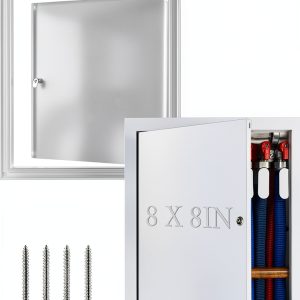
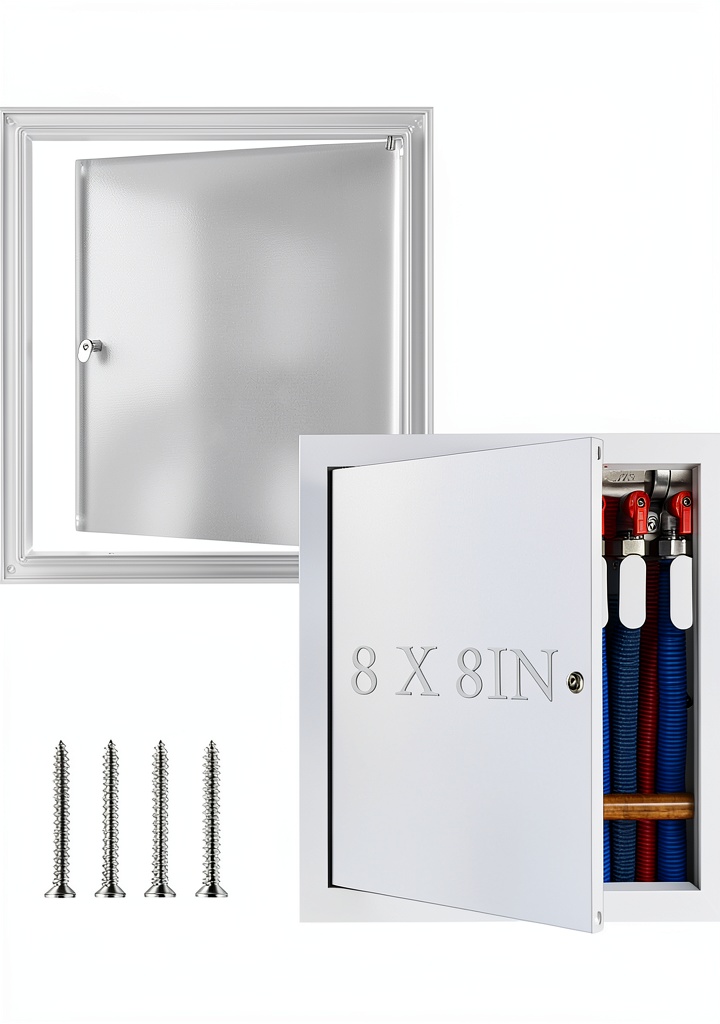
The panel’s aluminum frame feels sturdy in hand – a noticeable upgrade over cheap plastic covers that bend under light pressure. The white powder‑coat resists scratches and can be painted over without peeling, which is a blessing when you need to match a newly painted wall. However, the finish is not UV‑stable; prolonged sunlight exposure can cause a faint yellowing after a few years.
Performance in Real Use
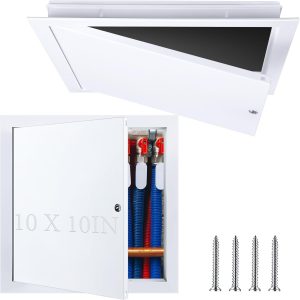
During a recent bathroom remodel, I cut a 12×12 opening behind a vanity and snapped the Gisafai panel into place. The push‑lock released effortlessly with a thumb press, and the door sealed tightly enough that no dust leaked out when the bathroom fan was running. After three months of daily use (opening twice a day for faucet repairs), the latch still felt crisp – no wobble, no loosening of the frame.
Ease of Use
Installation is truly beginner‑friendly. No drilling for hinges, no aligning multiple screws – you simply cut the opening to the exact dimensions, insert the frame, and the panel clicks into the groove. The only tool needed is a utility knife for the cutout. For seasoned contractors, the speed translates into saved labor costs on larger jobs.
Durability / Reliability
Aluminum doesn’t rust, which makes this panel a safe choice for moist environments like bathrooms or basements. The only wear point I observed was a faint squeak from the hinge pins after repeated openings. A dab of silicone grease eliminates the noise, but it’s an extra maintenance step that most users won’t anticipate.
Pros & Cons
- Pros
- Tool‑free installation – perfect for DIY.
- Aluminum construction resists corrosion.
- Push‑lock eliminates lost keys.
- White finish blends with most interiors.
- Wide size range covers most residential needs.
- Cons
- No fire‑rating – not suitable for fire‑rated walls.
- Hinge can squeak if not lubricated.
- Not lockable; security‑sensitive areas may need a different product.
- Maximum opening size 24″ may be insufficient for large conduit bundles.
Comparison & Alternatives
Cheaper Alternative: Generic Plastic Access Door (≈ $9)
The low‑cost plastic panels often found on big‑box stores weigh less than a pound and come with a simple snap‑fit latch. While they’re the cheapest way to get a hatch, they warp in high‑heat bathrooms, the plastic becomes brittle over time, and the latch can crack after a dozen uses. For a one‑off hobby project where aesthetics aren’t critical, the generic door saves a few dollars, but you sacrifice durability and a clean look.
Premium Alternative: Legrand 14×14 Aluminum Access Door with Lock (≈ $45)
Legrand’s version uses a thicker aluminum alloy, offers a UL‑listed fire rating (30 min), and includes a keyed lock for secure access. Installation requires two screws per side, adding a few minutes of work. The price is more than double, but for commercial kitchens, hospitals, or any space where code‑compliant fire protection and security matter, the premium panel is justified.
When to Choose Each
- If you need a quick, inexpensive solution for a residential bathroom or laundry room, the Gisafai panel hits the sweet spot of price and performance.
- If you’re on a shoestring budget and the panel will be hidden behind a decorative tile, the cheap plastic door may suffice.
- If you must meet fire‑rating codes or need a lockable hatch for a utility closet, invest in the Legrand premium model.
Buying Guide / Who Should Buy
Best for Beginners
DIY homeowners who have never cut drywall before will appreciate the snap‑in frame and push‑lock. The step‑by‑step PDF that ships with the panel walks you through measuring, cutting, and installing without a drill.
Best for Professionals
Contractors handling multiple residential units can stock the 12×12 and 14×14 sizes for quick turn‑around. The consistent dimensions reduce material waste, and the lack of screws speeds up the job site workflow.
Not Recommended For
- Industrial facilities with heavy equipment vibrations.
- Projects that require fire‑rated assemblies or security locks.
- Large conduit bundles exceeding 24″ openings.
FAQ
- Can I paint the white panel to match my wall color?
- Yes. The powder‑coat accepts latex or acrylic paint after a light sanding. Let the paint cure 24 hours before re‑installing the latch.
- Is the push‑lock mechanism secure enough for a utility closet?
- It prevents accidental opening, but it isn’t a lock. For secured areas, choose a panel with a keyed latch.
- Do I need a stud behind the panel?
- No. The frame is designed to sit within the drywall cavity. For heavy loads (e.g., large pipe manifolds), reinforce the surrounding drywall with a backing board.
- How does this panel compare to a recessed bulkhead?
- Recessed bulkheads provide a flush finish but require deeper cuts and often need a separate trim piece. The Gisafai panel sits slightly proud of the surface, which is acceptable in most residential settings and far easier to install.
- Will the panel rust in a wet basement?
- Aluminum itself won’t rust, and the powder‑coat protects against moisture. Just ensure the surrounding drywall is properly sealed.